
DCT Technology · 2026 Pricing Guide
How Much Does Custom Software Development Cost in India?
Realistic 2026 budget ranges, hourly rates, cost drivers, and engagement models for outsourcing custom software to India — plus how DCT Technology estimates projects with transparent discovery, not one-size quotes.
Why Teams Budget for Custom Software Development in India
India remains a strong destination for custom product engineering when you need modern stack talent, flexible capacity, and lower delivery cost than US/UK teams — without treating the lowest hourly rate as the strategy. This guide covers indicative market ranges, what moves price up or down, and how DCT scopes work so estimates match real scope.
Lower delivery cost than US & UK teams
Comparable mid-to-senior engineering capacity in India often lands at a fraction of US or UK blended rates — freeing budget for product discovery, design, and post-launch iteration.
Depth across modern product stacks
React, Next.js, Node.js, Python, Flutter, React Native, and AWS talent is widely available — so cost efficiency does not have to mean outdated technology choices.
Flexible engagement models
Fixed-price scopes, time & materials, and dedicated teams let you match commercial structure to roadmap certainty — critical when early requirements will still change.
Transparent estimation beats rigid price lists
Published averages help planning; accurate quotes need discovery. DCT shares ranges after clarifying users, MVP boundaries, integrations, and quality bar — so expectations stay aligned.
Average Custom Software Development Costs in India (By Project Size)
Indicative USD ranges for India-based custom builds in 2026. Final cost depends on scope, seniority mix, design depth, integrations, and compliance — treat these as planning bands, not fixed quotes.
| Project size | Typical scope | Indicative cost (USD) | Typical timeline |
|---|---|---|---|
| Simple / MVP | Core user flows, limited integrations, focused feature set | $8,000 – $40,000 | 6–14 weeks |
| Medium complexity | Multi-role product, APIs, admin tools, stronger UX | $40,000 – $120,000 | 3–7 months |
| Enterprise / complex platform | High scale, security/compliance, many integrations | $120,000 – $400,000+ | 6–18+ months |
DCT Technology typically engages on production-minded custom work once discovery confirms a realistic build boundary. Most serious MVP and product engagements we see start in the mid four to five figures (USD) depending on scope — we confirm fit and commercial minimums on the estimate call so budgets and expectations stay aligned.
Hourly Rates for Software Developers in India vs. Global Markets
Blended hourly rate bands by region and seniority for custom product work. Rates vary by stack scarcity (e.g. specialized cloud, AI, or niche mobile) and by whether you hire freelancers vs. an accountable agency team.
| Region | Junior (USD/hr) | Mid-level (USD/hr) | Senior (USD/hr) |
|---|---|---|---|
| India | $15 – $25 | $25 – $45 | $40 – $70 |
| Eastern Europe | $35 – $55 | $45 – $75 | $65 – $100 |
| Western Europe | $60 – $90 | $80 – $120 | $100 – $160 |
| United Kingdom | $70 – $100 | $90 – $140 | $120 – $180 |
| United States | $80 – $120 | $100 – $175 | $150 – $250+ |
Agency-managed teams usually price above pure freelance rates because you also pay for project management, QA discipline, architecture oversight, and continuity. DCT quotes a mix of role rates after discovery rather than a single public list price that ignores your stack and seniority needs.
Get a Free Project Estimate in 24 Hours
Share your goals, must-have features, and constraints — we’ll reply with an indicative budget band, recommended engagement model, and next discovery steps. Prefer a structured brief? Request our Custom Software Budgeting & Specification Template on the form.
Key Factors Affecting Custom Software Development Costs
Two projects with the same ‘app’ label can differ by 5–10×. These drivers explain most of the variance before anyone talks hourly rates.
Scope & product complexity
Number of user roles, workflows, edge cases, and reporting depth drive engineering hours more than almost anything else. A crisp MVP boundary is the fastest way to protect budget.
UI/UX design requirements
Template-light marketing sites cost less than custom product UX with research, prototyping, design systems, and accessibility. Design maturity early reduces expensive rework later.
Technology stack choices
Mainstream React/Next.js/Node stacks are efficient to staff. Niche languages, heavy real-time systems, or specialized data pipelines can raise both rate and calendar time.
Third-party integrations
Payments, CRM, ERP, identity providers, analytics, and legacy APIs add mapping, auth, error handling, and QA surface area — each integration should be estimated explicitly.
Security & compliance standards
SSO, audit logs, encryption, HIPAA/GDPR-minded controls, and enterprise procurement requirements increase architecture and documentation effort — plan them as first-class cost, not a surprise.
Engagement & Pricing Models: Fixed Price vs. Dedicated Team vs. Time & Materials
The most cost-effective model is the one that matches how certain your requirements are — not the one with the lowest headline rate.
Fixed price
Best when scope is stable and deliverables are clear. Predictable budget and timeline, with change requests handled as scoped amendments. Ideal for bounded MVPs and defined releases — less ideal when discovery is still open.
Dedicated team
Best for ongoing product velocity. You fund a stable squad (engineers + shared PM/QA as needed) that owns your backlog. Often the most cost-effective option after launch when priorities shift every sprint. Explore how to hire dedicated software developers in India with DCT.
Time & materials (T&M)
Best when requirements will evolve week to week. You pay for tracked effort with transparent reporting — flexible, but needs strong backlog discipline so burn stays intentional.
Hidden Costs to Consider in Software Outsourcing
The build invoice is only part of total cost of ownership. Budget for what happens after the first production deploy.
Post-launch maintenance & bug fixes
Browsers, devices, dependencies, and edge cases keep changing. Plan a retainer or dedicated capacity so production issues do not stall your roadmap.
Cloud hosting & infrastructure
AWS/GCP/Azure, environments, monitoring, backups, and scaling policies are recurring costs. Architecture choices made during build strongly affect monthly spend.
API & SaaS licensing
Maps, email, SMS, payments, AI APIs, and analytics tools often charge usage fees. Include them in the business case, not only the engineering estimate.
QA, security reviews & support
Manual/automated testing, penetration checks, app-store compliance, and on-call support are easy to under-scope — and expensive to bolt on after a brittle launch.
How DCT Technology Estimates & Delivers Custom Software Projects
We treat estimation as a product conversation — scope, risks, and delivery shape first; numbers second. That keeps quotes honest and delivery predictable.
Discovery & requirement mapping (typically 3–10 days)
We clarify users, success metrics, must-haves vs. later, integrations, and constraints. For larger builds this may include a short paid discovery if deep architecture work is required before a firm quote.
Solution outline & commercial options
You receive an indicative budget band, recommended engagement model (fixed, T&M, or dedicated), timeline assumptions, and what is explicitly out of scope for v1.
Agile sprint delivery with visible progress
Work ships in iterative sprints with demos, backlog grooming, and shared tools (typically Slack + Jira). You review increments continuously — not only at a stressful end handoff.
Launch, handover & optional ongoing team
Production release with QA and basic monitoring, then either a clean handover or continued dedicated capacity for iteration, maintenance, and scale.
Prefer a deeper dive? See our custom software development services, hire dedicated software developers in India, and request a custom software cost estimate.
What DCT Technology Builds — Stacks & Capabilities Behind the Estimate
Pricing only makes sense in context of what you are buying. DCT focuses on production-minded product engineering across web, mobile, and cloud — not template agencies competing only on rate cards.
Custom Software & Product Platforms
Business systems, portals, and product platforms engineered around your workflows — with architecture, testing, and maintainability treated as part of delivery cost, not optional extras.
Startup MVPs & Early Product Builds
Tightly scoped first releases for founders who need speed to learning without burning runway on features users never asked for.
Dedicated Development Teams
Embed India-based engineers with your backlog and rituals when you need continuous velocity after the first release — often the strongest cost-per-outcome model for ongoing products.
SaaS & Multi-Tenant Platforms
Tenant isolation, billing-ready foundations, and cloud architecture for SaaS products where shortcuts early become expensive rewrite costs later.
Web, Mobile, UI/UX & DevOps
React/Next.js web apps, Flutter/React Native mobile, product UI/UX, and AWS-oriented DevOps — the common stack mix behind most DCT estimates.
Example Engagements — What Real DCT Builds Look Like
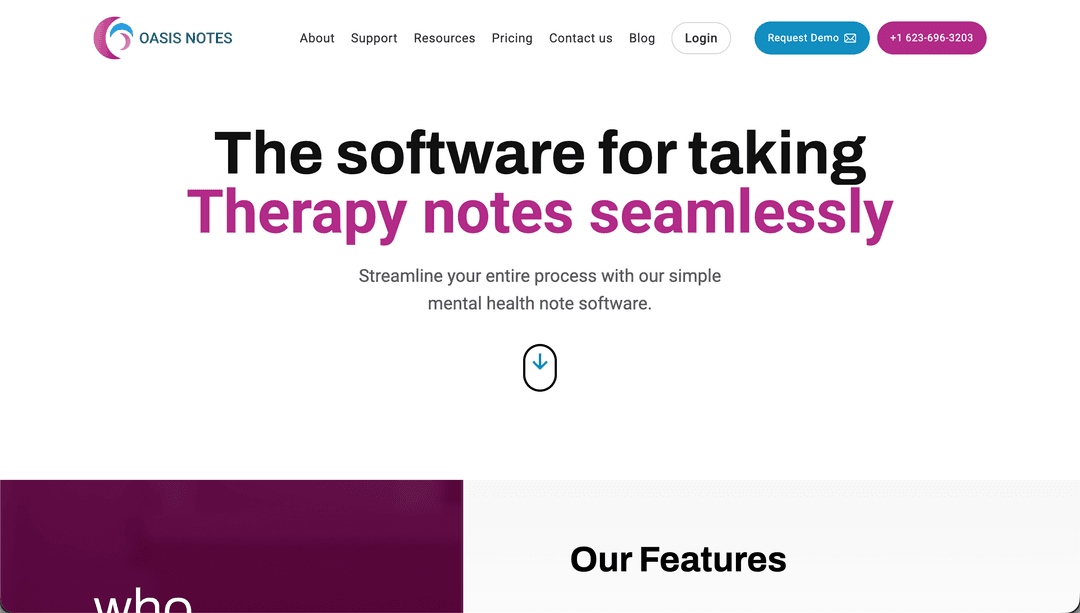
Oasis Notes — Multi-Tenant SaaS Platform
A collaborative SaaS workspace with isolated tenant workspaces, authentication, role-based access, and productivity workflows — the kind of medium-to-complex platform where architecture and security materially affect cost.
Engagements like this typically sit above simple MVP bands because multi-tenancy, permissions, and scalable cloud foundations are first-class requirements, not add-ons.
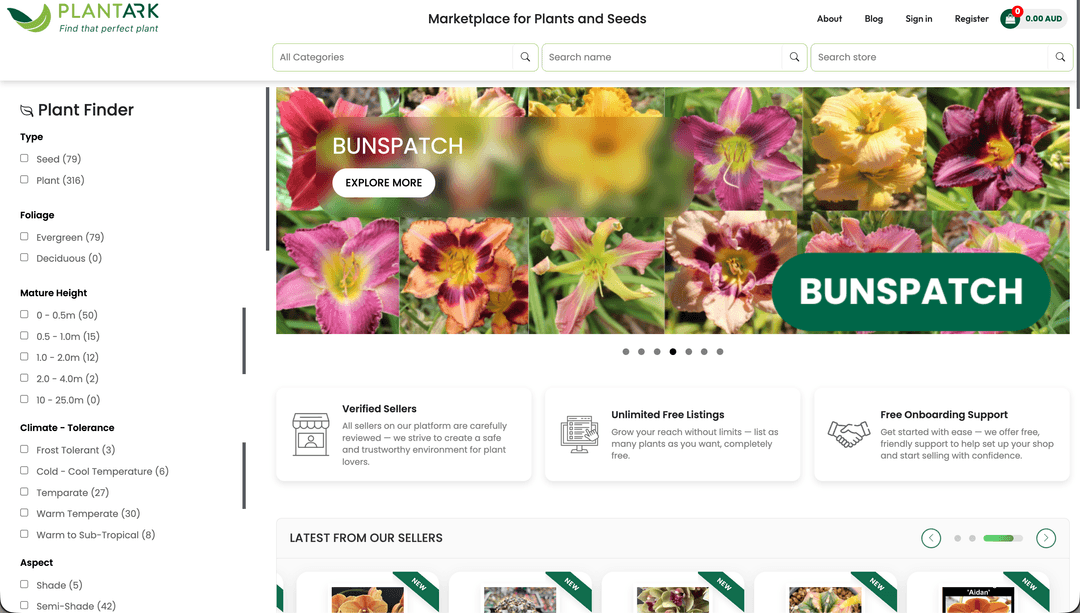
Plant Ark — Conversion-Focused Commerce Platform
A premium plant commerce experience rebuilt around clearer discovery and purchase flows so traffic could convert into customers.
Projects in this class often land in medium-complexity bands: custom UX, catalog/workflows, and performance matter more than raw feature count alone.
Frequently Asked Questions
In 2026, many India-based custom builds fall roughly into these planning bands: simple/MVP work often $8,000–$40,000, medium-complexity products $40,000–$120,000, and complex or enterprise platforms $120,000–$400,000+. Your number moves with scope, design depth, integrations, and compliance. DCT Technology shares a project-specific band after discovery rather than promising a single average that misleads buyers.
Indicative India rates for custom product work commonly land around $15–$25/hr for junior, $25–$45/hr for mid-level, and $40–$70/hr for senior engineers, with specialized stacks higher. Agency engagements usually price above pure freelance rates because you also get delivery oversight, QA, and continuity. Compare that with typical US senior bands of $150–$250+/hr to understand the outsourcing leverage — quality still depends on partner discipline, not rate alone.
For equivalent seniority, India blended rates are often a fraction of US or UK rates — commonly in the range of roughly 30–60% of Western agency pricing depending on role mix and engagement model. Savings are real when architecture, communication, and code quality are strong; the cheapest vendor can erase savings through rewrites. DCT focuses on transparent scope and maintainable delivery so cost efficiency compounds after launch.
Cost rises with more user roles, custom UX, scarce tech skills, many third-party integrations, real-time or data-heavy features, and security/compliance needs. Cost falls when you protect a sharp MVP boundary, reuse proven stacks (e.g. React/Next.js/Node), defer non-essential integrations, and choose an engagement model that matches requirement certainty.
Fixed price is usually most cost-effective for a clearly bounded first release. A dedicated team is often more cost-effective for ongoing product work where priorities change every sprint — you avoid constant change-order friction and keep velocity. Time & materials fits evolving discovery. We recommend a model during estimation based on roadmap certainty; you can also hire dedicated software developers in India when continuous capacity is the goal.
Plan beyond the initial build for maintenance, cloud hosting, third-party API/SaaS licenses, QA and security reviews, app-store or compliance upkeep, and support coverage. Skipping these line items is a common reason ‘cheap’ projects become expensive after launch. DCT discusses post-launch options during estimation so total cost of ownership is visible early.
Use the inquiry form on this page or our contact page to request a custom software cost estimate. Share goals, must-have features, timeline, and any compliance constraints. We aim to respond with an indicative estimate path within 24 hours, then refine through discovery. You can also ask for our Custom Software Budgeting & Specification Template to organize requirements before the call.
Ready for an Accurate Project Quote?
Skip generic rate cards. Tell us what you are building and we will map scope, risks, engagement model, and a practical budget band — usually with an initial response within 24 hours.
Let's solve it together!
Notice